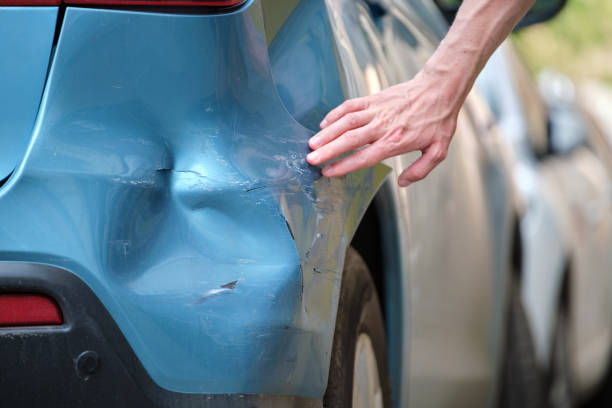
Being involved in a car accident can be stressful, especially when it was not your fault.
One of the first concerns many drivers have is whether they will be asked to pay the excess on their insurance before repairs can begin. This can be confusing, particularly when you are already dealing with the shock and inconvenience of the incident.
In not-at-fault situations, you should not have to pay excess. However, the answer can depend on the details of the accident, the information collected at the scene, and how the claim is handled.
Understanding when excess applies, and when it does not, can help you avoid unnecessary costs and make more confident decisions for your smash repairs.
What Is Insurance Excess?
When it comes to automotive insurance repairs, insurance excess is the amount you agree to contribute when making a claim through your own insurance policy. The exact amount varies depending on your level of cover, your insurer, and the terms of your policy.
Many drivers assume excess must always be paid before any repair work can start. While this can be true in some cases, it is not always required when another driver is responsible for the accident.
When You Usually Do Not Pay Excess
If you are clearly in a not at fault accident and you can provide the responsible driver’s details, you should not be left paying the excess. This is because the at-fault party, or their insurer, is expected to cover the cost of the damage.
In many cases, this means:
- No excess to pay
- No upfront repair expenses
- No financial impact for something you did not cause
For this to happen smoothly, it is important that the responsible driver can be identified. Details such as their name, registration number, contact information, and insurer can help confirm liability and allow the claim to move forward without delay.
When You Might Be Asked To Pay Excess First
There are situations where you may be asked to pay the excess, even if the accident was not your fault. This usually happens when there is not enough information to immediately confirm who was responsible.
For example, this may occur if:
- The other driver’s details were not collected
- The other driver left the scene
- Fault is disputed and still being investigated
In these cases, your insurer may process the claim under your own policy first so your smash repairs can begin. If it is later confirmed that you were not at fault, the excess is often refunded once the insurer recovers the costs from the responsible party.
This is why the information gathered at the time of the accident can make a significant difference.
The Importance of Collecting the Right Details
What you do in the moments after an accident can affect whether excess becomes an issue. Clear and accurate information helps support your claim and shows who was responsible. Always collect:
- The other driver’s full name and phone number
- Their vehicle registration
- Their Driving License Details
- Photos of the vehicles and the accident scene
These details can help prevent delays, reduce confusion, and support a smoother insurance car repair claims process. When liability is clear, it is much easier for insurers to confirm that you should not be paying the excess.
What If the At Fault Driver Is Uninsured?
A situation that worries many drivers is discovering that the person responsible does not have insurance. While this can make the process more complicated, it does not automatically mean you will have to cover the repair costs yourself.
The at-fault driver is still responsible for the damage they caused. If you have comprehensive insurance and can provide the other driver’s details, your insurer may still proceed with the claim and may waive the excess once fault is confirmed.
However, if the driver cannot be identified at all, such as in a hit and run, there may be circumstances where excess applies because there is no one for the insurer to recover the costs from.
Why Understanding the Process Matters
Many drivers pay excess simply because they are unsure of their rights or feel pressured to act quickly. In reality, the outcome often depends on how clearly the accident details are documented and how the claim is managed from the start.
Knowing that you are not automatically responsible for paying excess in a not-at-fault accident can provide reassurance during a stressful time. Taking the right steps early can help avoid unnecessary expenses and reduce delays.
Choosing the Right Support After an Accident
After a not-at-fault accident, having the right support can make the entire process feel far less overwhelming. Guidance with documentation, claims, and repair arrangements can help ensure everything is handled properly from the beginning.
If you are unsure whether you will need to pay excess, getting clear advice early can help you understand where you stand. At South City Motor Body Works, we regularly assist drivers who have been involved in not-at-fault accidents by helping them navigate their insurance repair services and claims process.
With the right support and experience, it becomes much easier to manage the situation and avoid unnecessary costs while getting your vehicle repaired safely and correctly. Contact us today or visit our workshop to speak with our team and get the support you need to move forward with confidence.