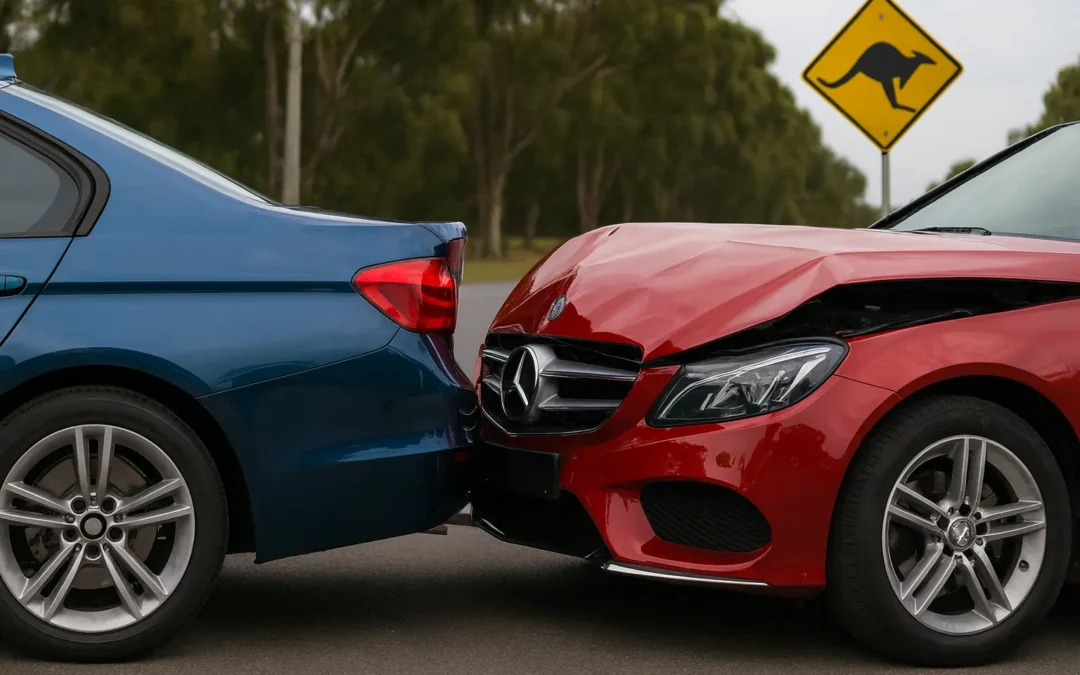
Yes! Car collisions are unfortunate and can be scary. If your car is injured badly, you need car smash repairs to restore your car in time. The damage can range from a bent suspension to a smashed bumper, and more. Sometimes, chances they can, directly and indirectly, affect the alignment of your wheels. When it comes to handling car accident repairs, trained mechanics often check the alignment of the wheels as it is critical for your safety, better driving, and your car’s suspension. A mechanic may have to adjust the suspension brakes and tyres to get your car move with ease. So, why is a wheel alignment necessary after a collision? Let’s find out!
Reduces The Chances Of Future Repairs
When it comes to car collisions, body damage maybe visible to the car smash repairer. However, when the wheel alignment is bad, it causes the parts in your car to wear unevenly. And when you drive in poor road conditions, it is going to impact the tyres causing unexpected breakdowns.
Safe And Smooth Driving
If the car wheel alignment is off, you will notice that the car slides to the left and right when you want to go straight. You need to adjust your steering on the road constantly. On top of all, it takes a toll on your safety. A good wheel alignment helps improve the vehicle’s handling and traction making it easier to steer and stop.
Better Fuel Efficiency
When the wheel alignment is bad, it’s going to take a lot of hard work from the engine to help you move forward. And it just reduces your fuel efficiency. So make sure to get a wheel alignment after the collision or ask the car smash repair service provider to check and fix it.
Enhances Your Tyres Lifespan
Tyres are the critical component of your car. It wears down quickly when the wheels are not aligned properly. While checking your wheel alignment, have other parts of the car such as suspension, brakes, and tires, to ensure they are in good condition.
No matter what, after a collision, it’s crucial to take care of the wheel alignment to have a safe ride. If you are looking for car smash repairs in South Bank, call South City Motor Body Works on (03) 9699 9329 today.